SandPox Home

Category

Infectious Disease

20 articles

Contagious Before You Know It: The Biology of Pre-Symptomatic Spread and What It Costs Us

Contagious Before You Know It: The Biology of Pre-Symptomatic Spread and What It Costs Us

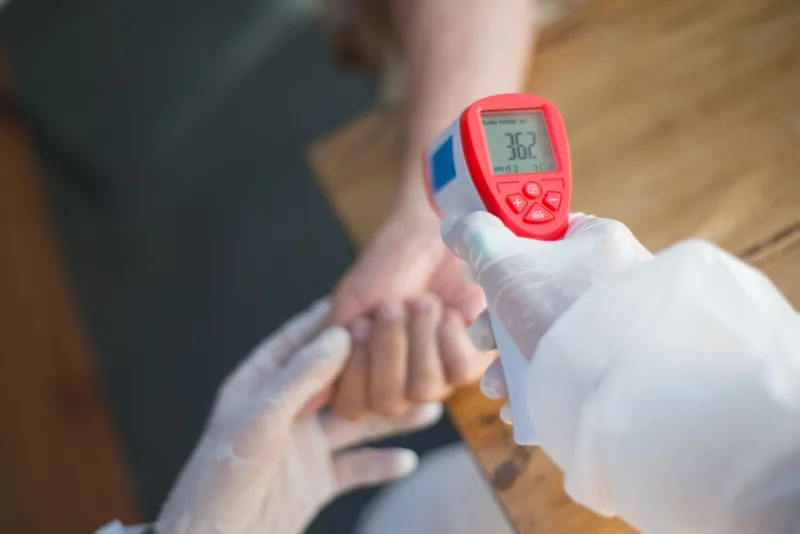
The moment a person begins to feel ill is rarely the moment they begin to spread disease. Across some of the most common infections circulating in the United States, the window of peak contagiousness often precedes any recognizable symptoms by hours or even days. Understanding this biological reality demands a fundamental rethinking of how Americans interpret personal health and public risk.

Awakened From Within: How Stress and Illness Unlock the Pathogens Already Living Inside You

Awakened From Within: How Stress and Illness Unlock the Pathogens Already Living Inside You

Certain viruses never truly leave the body after initial infection — they retreat into a dormant state, waiting for the immune system to falter. When psychological stress, chronic illness, or medical immunosuppression weaken the body's surveillance mechanisms, these pathogens can re-emerge with significant clinical consequences. Understanding what triggers reactivation may be among the most underappreciated challenges in modern American medicine.

Sleeper Agents Inside You: The Hidden Danger of Viruses That Never Truly Leave

Sleeper Agents Inside You: The Hidden Danger of Viruses That Never Truly Leave

Millions of Americans carry viral infections that have never been cleared from their bodies—only silenced. New research reveals that these dormant pathogens, including herpesviruses, cytomegalovirus, and Epstein-Barr virus, can reawaken under predictable biological conditions, sometimes with consequences far more serious than the original infection. Understanding the triggers, risks, and management strategies for latent infections is becoming one of the more pressing challenges in American medic

Hiding in Plain Sight: The Widespread Infections Quietly Circulating Among Americans Who Feel Perfectly Fine

Hiding in Plain Sight: The Widespread Infections Quietly Circulating Among Americans Who Feel Perfectly Fine

Millions of Americans carry and transmit active infections without ever developing a single recognizable symptom, yet standard clinical screening protocols are rarely designed to find them. The gap between true infection prevalence and documented diagnosis rates represents one of public health's most consequential blind spots. Understanding which pathogens most commonly operate in silence — and why they so reliably escape detection — is essential to closing that gap.

When Medicine Becomes the Hazard: How Overtreating Infections May Be Quietly Unraveling Immune Tolerance

When Medicine Becomes the Hazard: How Overtreating Infections May Be Quietly Unraveling Immune Tolerance

Decades of aggressive antimicrobial intervention have reshaped the American immune landscape in ways researchers are only beginning to understand. Emerging evidence suggests that eliminating minor infections before the immune system can engage them fully may be disrupting the biological calibration that keeps autoimmune and chronic inflammatory conditions in check. The paradox, increasingly visible in clinical data, raises difficult questions about how the United States manages infection at both

Backyard Borders: How America's Suburbs Have Become the New Frontier for Zoonotic Disease

Backyard Borders: How America's Suburbs Have Become the New Frontier for Zoonotic Disease

As American suburbs expand into formerly wild landscapes and households welcome an ever-wider variety of animals, the biological boundary between human and animal health has never been more porous. Epidemiologists warn that routine interactions — a raccoon at the compost bin, a parrot purchased online, a backyard flock of chickens — are quietly rewriting the conditions under which pathogens cross species lines. Understanding these dynamics is no longer a concern reserved for tropical field resea

Invisible Carriers: The Science of Symptom-Free Transmission and What It Means for American Public Health

Invisible Carriers: The Science of Symptom-Free Transmission and What It Means for American Public Health

Millions of Americans carry and transmit infectious pathogens each year without ever feeling ill, quietly sustaining epidemic cycles that conventional health messaging struggles to interrupt. From COVID-19 to influenza to RSV, the phenomenon of asymptomatic and presymptomatic spread represents one of the most consequential — and least understood — challenges in modern infectious disease control. Understanding why this hidden transmission layer exists, and why public health systems have been slow

When the Cure Comes From Within: How Runaway Inflammation Turns Your Immune System Into a Threat

When the Cure Comes From Within: How Runaway Inflammation Turns Your Immune System Into a Threat

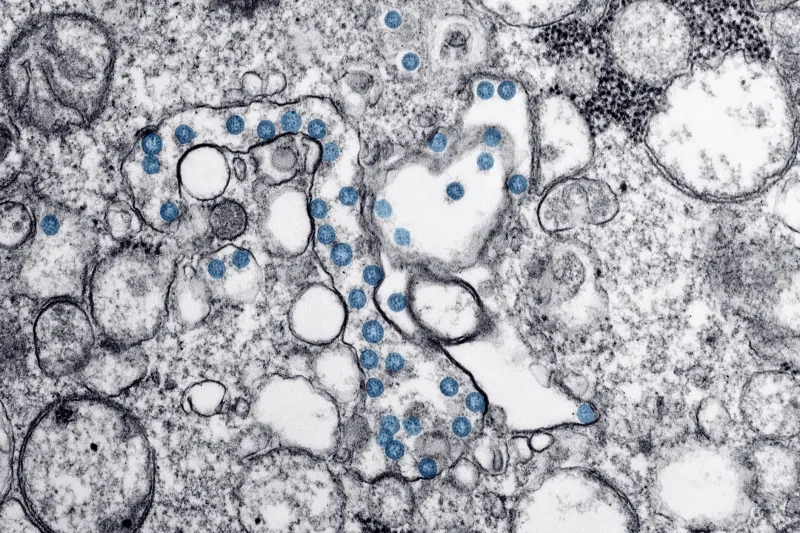
The immune system is designed to protect the body, yet under certain conditions it becomes a source of profound harm. From cytokine storms in severe COVID-19 to the lingering autoimmune complications of Lyme disease, excessive inflammation can inflict tissue damage that far exceeds anything the original pathogen accomplished. Understanding this paradox is reshaping how physicians approach treatment—and why calibration, not suppression, is the new frontier.

Your Gut's First Responders: How Disrupting Intestinal Bacteria Leaves the Door Open for Dangerous Pathogens

Your Gut's First Responders: How Disrupting Intestinal Bacteria Leaves the Door Open for Dangerous Pathogens

Emerging research suggests that the same hygiene-driven behaviors many Americans consider protective may be quietly dismantling one of the body's most sophisticated defenses against infectious disease. The human gut harbors trillions of microorganisms that collectively form a biological barrier against invasive pathogens — a barrier that is increasingly under threat. Understanding what actually harms this ecosystem, and what does not, is becoming one of the more pressing questions in modern infe

Carriers in Plain Sight: The Hidden Transmission Networks Reshaping How America Thinks About Infectious Disease

Carriers in Plain Sight: The Hidden Transmission Networks Reshaping How America Thinks About Infectious Disease

Millions of Americans carry and transmit infectious pathogens without experiencing a single symptom, creating invisible chains of spread that challenge conventional public health strategies. From sexually transmitted infections to respiratory viruses, asymptomatic carriage is far more common than most people realize. Understanding who carries what—and why—is increasingly central to containing outbreaks before they begin.

Parasites Without Passports: How Tropical Infections Are Finding New Hosts in Unexpected American Communities

Parasites Without Passports: How Tropical Infections Are Finding New Hosts in Unexpected American Communities

Parasitic diseases once associated almost exclusively with tropical and subtropical regions are increasingly appearing among Americans who have never left the country. A convergence of climate shifts, altered wildlife migration, and diagnostic blind spots is creating conditions that public health officials are only beginning to fully appreciate. Understanding why these infections are arriving — and why they are so often missed — has become an urgent priority.

Never Truly Gone: The Viruses That Take Up Permanent Residence in the Human Body

Never Truly Gone: The Viruses That Take Up Permanent Residence in the Human Body

Emerging research is challenging the conventional narrative that infections end when symptoms resolve. For a growing list of common viruses — including Epstein-Barr, cytomegalovirus, and herpes simplex — the body may serve as a permanent host, with dormant pathogens exerting subtle but measurable effects on inflammation, immune regulation, and long-term health outcomes.

Too Clean to Fight Back: How America's War on Germs May Be Weakening the Immune Systems It Means to Protect

Too Clean to Fight Back: How America's War on Germs May Be Weakening the Immune Systems It Means to Protect

Decades of antimicrobial products, sterilized surfaces, and germ-phobic habits have reshaped the American home into a near-sterile environment—but immunologists are raising urgent questions about what that cleanliness is costing us. The hygiene hypothesis, once a fringe concept, has accumulated enough evidence to warrant serious reconsideration of how we define 'safe' living. Understanding the line between protective sanitation and immunological deprivation may be one of the more consequential p

Pandemic Isolation and the Price of Protection: Rethinking Immunity After Years of Reduced Pathogen Exposure

Pandemic Isolation and the Price of Protection: Rethinking Immunity After Years of Reduced Pathogen Exposure

During the height of the COVID-19 pandemic, lockdowns and masking dramatically reduced Americans' exposure to common respiratory pathogens — but that protection may have come with a hidden cost. The concept of 'immunity debt' suggests that populations deprived of routine microbial encounters are now facing heightened susceptibility to seasonal viruses. Understanding what the evidence actually shows may help Americans navigate the ongoing recalibration of their immune defenses.

Vaccinated and Still Infected: Understanding Why Breakthrough Cases Don't Mean Vaccines Are Failing

Vaccinated and Still Infected: Understanding Why Breakthrough Cases Don't Mean Vaccines Are Failing

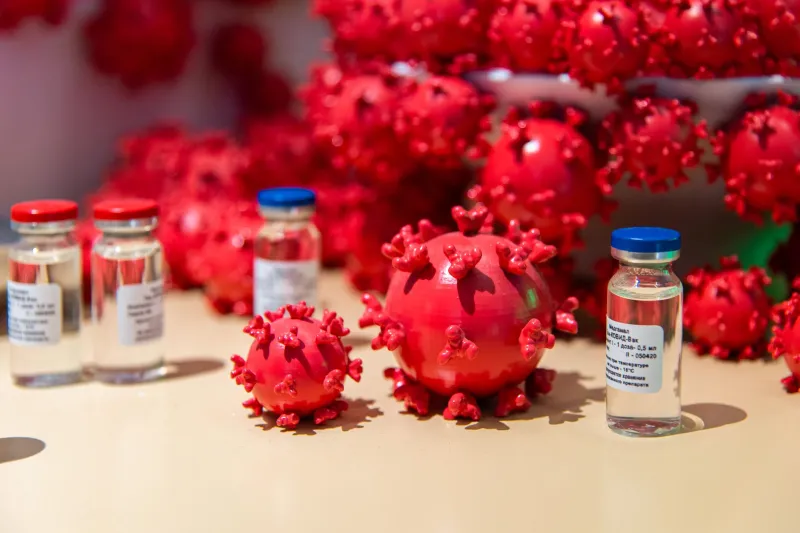
Breakthrough infections in highly vaccinated populations have generated widespread confusion and, in some quarters, eroded public trust in immunization programs. Yet the science tells a more nuanced story—one in which vaccines continue to perform a critical protective function even when they do not prevent infection entirely. Understanding the biological mechanisms at work is essential for making sense of what vaccines were always designed to do.

When Antibiotics Fail: Inside the Resistance Emergency Reshaping American Medicine

When Antibiotics Fail: Inside the Resistance Emergency Reshaping American Medicine

Antibiotic resistance has crossed a threshold from theoretical concern to clinical emergency, with US hospitals now confronting pathogens that defeat every available treatment. Understanding the molecular mechanics behind resistance—and the agricultural, behavioral, and systemic forces driving it—is essential for anyone invested in the future of American public health.

The Silent Surge: Why Fungal Infections Are Becoming One of America's Most Underestimated Health Threats

The Silent Surge: Why Fungal Infections Are Becoming One of America's Most Underestimated Health Threats

Fungal infections rarely dominate headlines the way viral outbreaks do, yet the CDC has flagged several species—including the drug-resistant Candida auris and the geographically expanding Coccidioides—as urgent public health concerns. For millions of Americans, particularly those with compromised immune systems, these organisms pose life-threatening risks that remain poorly understood by the general public. This feature breaks down what is driving the rise in fungal disease, who faces the greate